Transform Your Environment: The Impact of Professional Architectural Design Services
Professional architectural design services play a vital part in transforming spaces. Such solutions blend utility with artistic expression, ensuring that each project meets both practical needs and visual standards. Professionals apply innovative strategies and environmentally conscious practices, adapting their creations to fulfill local needs. However, many remain unaware of how these services can unleash the true potential of their environments. Investigating the diverse merits of collaborating with an architect provides revelations that could revolutionize any area.
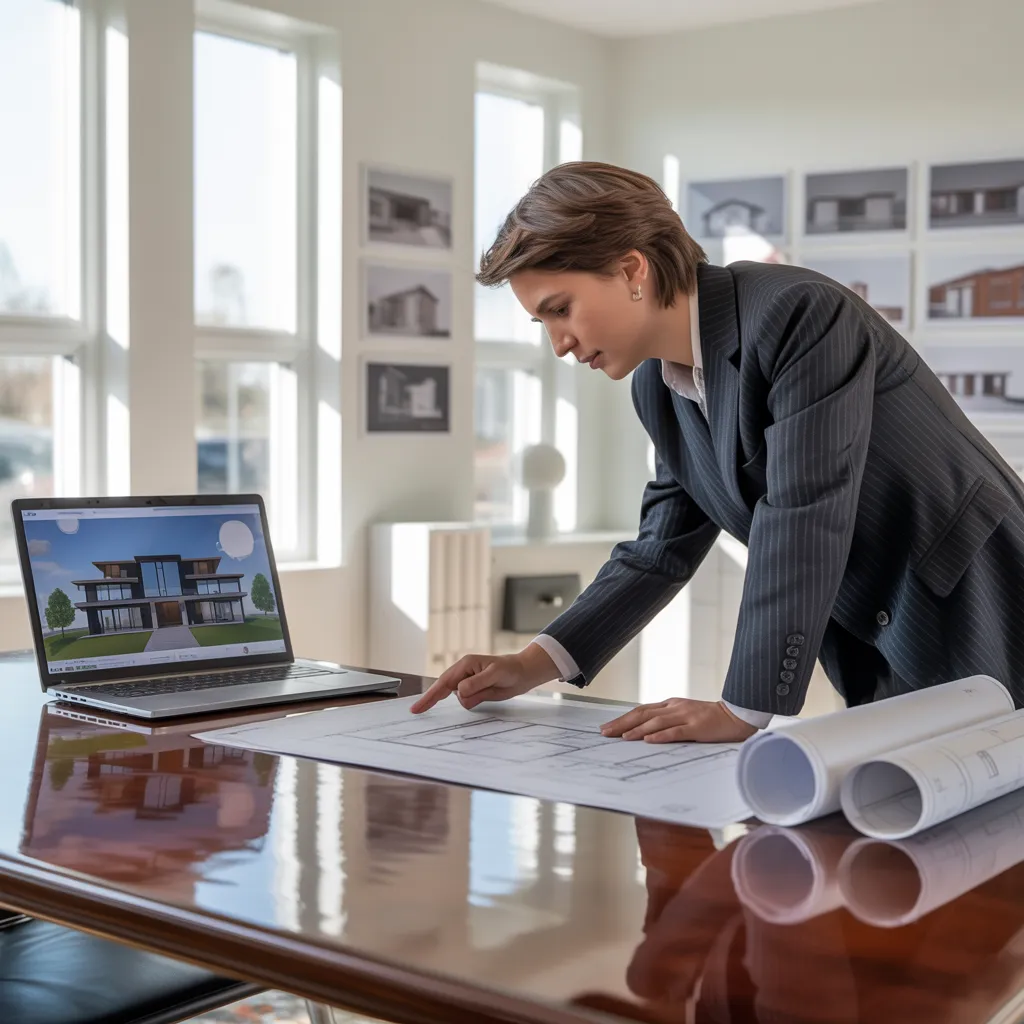
Revealing the Benefits of Professional Architectural Design
Revealing the benefits of professional architectural design is vital for maximizing both efficiency and beauty in any undertaking. Professional architectural practice goes beyond simple visual appeal; it integrates the principles of structural integrity, space planning, and environmental sustainability. By applying innovative strategies and a profound understanding of materials, designers create spaces that are not only visually captivating but also efficient and practical.
Moreover, expert architects evaluate the particular circumstances of each design endeavor, including community needs, climate considerations, and local regulations. This comprehensive methodology confirms that the overall design is not only innovative but also well-integrated with its surroundings. They employ state-of-the-art technology, such as three-dimensional modeling, to give clients a precise visualization of the finished project. When all is considered, choosing professional architectural design services leads to long-term benefits, improving both the occupants' experience and the property's overall worth.
Top Advantages of Engaging an Architect for Your Design Project
Employing an architect for a building project offers numerous advantages that enhance both the overall process and the finished result. Architects contribute valuable expertise, guaranteeing that projects follow local regulations and building codes, which can prevent costly issues down the line. Their ability to prepare detailed plans and specifications helps streamline the construction process, limiting delays and miscommunication among contractors.
Moreover, architects excel at project management, coordinating various aspects of the design and construction phases. This supervision confirms that deadlines and costs are maintained, instilling confidence in clients. Additionally, architects are able to recognize potential challenges during the early stages of planning, facilitating proactive problem-solving. Their experience with materials and construction methods may result in innovative solutions that optimize productivity and eco-friendliness. At the end of the day, working with an architect not only improves the quality of the project but also improves the entire journey for clients.
Advancing Aesthetics and Functionality Through Architectural Skill
Architectural expertise plays an essential role in improving both visual appeal and practicality in design projects. By employing innovative design solutions, maximizing available space, and choosing eco-friendly materials, designers can develop spaces that are aesthetically pleasing and functional. This methodology not only fulfills client requirements but also encourages sustainable practices.
Creative Design Approaches
Creative design approaches revolutionize spaces by effortlessly merging beauty with practicality. Architectural professionals leverage creative strategies to meet diverse client needs while enhancing visual appeal. By incorporating elements, tones, and structures that align with the setting, designers create harmonious spaces that reflect individual identities. Modern technology, encompassing 3D design tools and virtual environments, facilitates detailed previews, allowing clients to experience ideas prior to execution. Moreover, adopting green practices confirms that designs serve aesthetic purposes while supporting ecological preservation. Through careful consideration of light, space, and flow, these solutions maximize user experience and promote well-being. Ultimately, innovative design fosters a unique synergy between practicality and beauty, elevating the overall quality of living and working environments.
Space Efficiency Methods
Making the most of space demands thoughtful planning and design approaches that elevate both form and function. Professional architectural design services employ methods such as expansive floor plans, which do away with superfluous walls and cultivate an airy atmosphere. Multi-functional furniture can be integrated to serve various purposes, ensuring that every square foot is utilized effectively. Additionally, thoughtful placement of windows and mirrors can create the illusion of larger spaces, drawing in natural light and enhancing visual depth. Professionals also evaluate movement pathways, confirming that passage through a space is both natural and streamlined. By emphasizing these improvement methods, architects reshape environments into cohesive spaces that not only present beautifully but also serve the everyday needs of their residents.
Environmentally Conscious Material Choices
While prioritizing sustainability, designers are turning more often to sustainable materials that enhance both aesthetics and functionality. Utilizing materials such as reclaimed wood, bamboo, and recycled metal not only minimizes ecological harm but also adds unique character to spaces. These decisions foster a harmonious design, integrating naturally with the surrounding environment. Additionally, incorporating materials like low-VOC paints and energy-efficient glass boosts interior air quality and strengthens thermal efficiency, ultimately benefiting occupant health and comfort. By making deliberate and informed material selections, architects develop stunning and inviting settings that resonate with eco-conscious clients. Such a philosophy encourages a more conscientious design approach, showing that visual appeal and eco-consciousness are fully compatible, while responding to the critical call for sustainable innovations in today's built environment.
The Way Technology Influences Contemporary Architectural Designs
At present, a multitude of technological advancements heavily affects architectural design, revolutionizing how structures are conceived and constructed. Building Information Modeling (BIM) permits architects to produce precise 3D models, facilitating better collaboration across stakeholders and providing precision throughout the design process. Moreover, virtual reality (VR) and augmented reality (AR) allow clients to visualize spaces before they are created, making design decisions more thoughtful and deliberate.
Sustainability has also been enhanced through technology, with energy modeling programs enabling architects to enhance structural performance by modeling energy usage and ecological effects. Furthermore, cutting-edge materials and building methods, such as prefabrication and 3D printing technologies, optimize the overall construction workflow, minimizing construction timelines and financial outlays. Drones and robotic systems are becoming more widely adopted for site evaluations and inspections, providing real-time data that improves accuracy and safety. Overall, technology not only enhances creativity but also guarantees that architectural designs meet modern demands for efficiency and sustainability.
Common Misconceptions About Architectural Services
Numerous people have false beliefs about professional architectural services, assuming they come with an exorbitant price tag and that the role of architects is limited to building design. This limited perspective fails to acknowledge the diverse range of offerings provided by architectural professionals, including strategic planning and expert consultation. Gaining clarity on these false assumptions is essential for recognizing the genuine worth of architectural expertise.
Architectural Services Are Expensive
The perception that architectural services come with an unaffordable price tag commonly results from a lack of clarity about their benefits and extent. Numerous people associate elevated prices with being out of reach, ignoring the enduring value that professional design delivers. Architectural services encompass more than just blueprint creation; they encompass comprehensive planning, compliance management, and inventive problem resolution. When clients choose to invest in these services, individuals commonly benefit financially through optimized resource utilization, minimized construction setbacks, and greater property appreciation. In addition, the intricacy of a project can significantly influence overall expenses, highlighting the importance of recognizing that a thoughtfully crafted design can result in significant cost reductions. Ultimately, treating architectural services as a strategic investment rather than a mere expenditure can transform outlooks and strengthen understanding of their significance.
Architects Only Design Buildings
One widespread myth is that architects only concentrate on constructing buildings. In reality, their expertise extends far beyond mere structure. Architects participate in urban planning, landscape architecture, and interior environments, creating balance among different components. They collaborate with clients to create functional environments that enhance quality of life. Moreover, architects are involved in sustainable development, weaving green practices into their design processes. They frequently contribute to public areas, recreational parks, and neighborhood initiatives, meeting community demands and enhancing city infrastructure. In addition, architects offer essential guidance during renovation and restoration endeavors, maintaining historical value while meeting contemporary requirements. This multifaceted role showcases their importance in shaping not just buildings, but entire communities and environments.
Finding the Perfect Architect for Your Design Goals
How can someone ensure that the architect they choose aligns with their particular design goals? Finding the right architect requires careful consideration of several factors. First, looking through an architect's portfolio can provide insight into their design style and expertise. This process allows prospective review this content clients evaluate whether the architect's past projects resonates with their own aesthetic preferences.
Additionally, clear communication is essential. Participating in early consultations gives clients the opportunity to articulate their ideas and expectations openly. The architect's willingness to listen attentively and respond considerately reflects their commitment to comprehending the client's vision.
Moreover, checking references and client testimonials can highlight the architect's reliability and professionalism. It is important to establish that the architect has expertise that aligns with the project's scope, whether for residential or commercial purposes. In the end, a well-matched architect can bring a vision to life, making the selection process critical for successful architectural outcomes.
Triumphs in Architectural Design
Converting ideas into tangible results, remarkable architectural success stories illustrate the profound impact of thoughtful planning and creative execution. A standout example is the transformation of a century-old warehouse into a vibrant community center. Architects meticulously preserved original features while incorporating contemporary conveniences, creating a space that fosters collaboration and engagement.
One other motivating example highlighted a green residential project that employed eco-friendly materials and forward-thinking design approaches. This approach not only reduced the carbon footprint but also established a balanced and pleasant living space, defining a new precedent for upcoming projects.
Across urban settings, the revitalization of overlooked locations into green parks highlights how strategic design can elevate the well-being of local communities. Each instance reveals a focus on enhancing functionality and aesthetics, showing how skilled architectural expertise can elevate spaces and improve quality of life. These accomplishments act as evidence of the profound influence of thoughtful design in crafting spaces for generations to come.
Frequently Asked Questions
What Credentials Should I Seek in an Architect?
When seeking an architect, one should prioritize qualifications such as a fitting educational background, professional licensure, a diverse portfolio, excellent communication abilities, and expertise in the specific project type to ensure productive collaboration and positive results.
What Is the Typical Duration of the Architectural Design Process?
The architectural design process typically takes between three to six months, depending on project complexity, the needs of the client, and regulatory approvals. Clear communication and close collaboration can help accelerate this timeline, ensuring the final design is delivered on schedule.
What Costs Can You Expect When Hiring an Architect?
The fees associated with employing an architect usually span from 5% to 15% of the complete project budget, depending on complexity and scope. Additional fees may arise for consultations, revisions, and specialized services throughout the design process.
Can Architects Help With Permits and Zoning Regulations?
Architects are able to help with permits and zoning regulations. Their expertise guarantees compliance with local laws, simplifying the application process and minimizing potential delays, thereby enabling the successful execution of a project.
How Can I Communicate My Vision Effectively to an Architect?
To interact successfully with an architect, it is important to prepare visual references, articulate specific needs, address personal preferences, and stay receptive to professional recommendations. Clear communication and teamwork build a constructive conversation, guaranteeing that the design vision matches professional knowledge.